

Can Christmas lanterns be recycled? This is a question that has been swirling around in the minds of many environmentally - conscious consumers and businesses alike. As a Christmas Lantern supplier, I've delved deep into this topic to understand not only the what, but also the how behind Christmas lantern recycling.
Let's first understand the different types of Christmas lanterns on the market. We have a wide range, from the delicate outdoor Elk Lantern that adds a touch of wilderness charm to your outdoor space during the holiday season, to the Outdoor Christmas Decoration Lantern that brings a whole atmosphere of festival cheer to your yard. And let's not forget the beautiful Decoration Flower Lantern that can be used to adorn your indoor spaces, looking like a bouquet of light.
The recyclability of Christmas lanterns largely depends on their materials. Some lanterns are made primarily of glass. Glass is one of the most recyclable materials out there. It can be melted down and remade into new glass products with very little loss of quality. When these glass - made Christmas lanterns reach the end of their useful life, they can be dropped off at local recycling centers. The glass is first sorted by color, then crushed into small pieces called cullet. This cullet is then mixed with raw materials like sand, soda ash, and limestone and melted in a furnace to create new glass items, which could potentially even be new Christmas lanterns.
On the other hand, many modern Christmas lanterns are made with a mix of plastic components. Plastic recycling is a bit more complicated. There are different types of plastics, each with its own recycling requirements. For example, some lanterns may use polyethylene terephthalate (PET), which is commonly recycled into items like polyester fibers for clothing or new plastic bottles. Other plastics, such as polyvinyl chloride (PVC), are more difficult to recycle due to the presence of chlorine and other additives.
Some Christmas lanterns incorporate electronic components, like LED lights. Recycling these types of lanterns requires more specialized processes. The LED lights contain small amounts of rare - earth metals and other valuable materials. Recycling facilities need to separate the different components of the lantern carefully. The metals can be reclaimed and reused in the electronics industry, while the non - metal parts need to be processed according to their specific material types, whether plastic or glass.
As a supplier, I've seen the positive impact of promoting recycling to our customers. We've received feedback from those who are happy to know that they can have their Christmas spirit illuminated without causing too much harm to the environment. By recycling lanterns, we can reduce the demand for virgin materials, which in turn conserves natural resources. It also decreases the amount of waste that ends up in landfills, where it can take hundreds of years to break down, releasing harmful chemicals into the soil and groundwater in the process.
However, there are challenges in the recycling process. One of the main issues is consumer awareness. Many people are simply not aware of what parts of their Christmas lanterns can be recycled and how. Sometimes, they may not know where to take them for recycling. To address this, we, as a supplier, have started to include recycling guides with our products. These guides outline the recyclable materials in the lantern and provide information on local recycling facilities.
Another challenge is the cost and infrastructure of recycling, especially when it comes to the more complex lanterns with electronic components. Specialized recycling facilities are needed, and setting them up requires a significant investment. These costs are sometimes passed on to consumers in the form of recycling fees, which can be a deterrent for some.
Despite these challenges, the future looks promising. There is a growing trend towards sustainable and eco - friendly products. More and more consumers are actively seeking out products that are recyclable or made from recycled materials. This has encouraged us, as a supplier, to explore more sustainable manufacturing processes. For example, we are looking into using more recycled plastics and glass in our lantern production. We are also working on designing lanterns that are easier to disassemble, which will make the recycling process more efficient.
Moreover, the government and environmental organizations are stepping up their efforts to improve the recycling system. They are offering incentives for recycling businesses and are working on increasing the number of recycling facilities. This will make it easier and more cost - effective for both consumers and suppliers to participate in the recycling process.
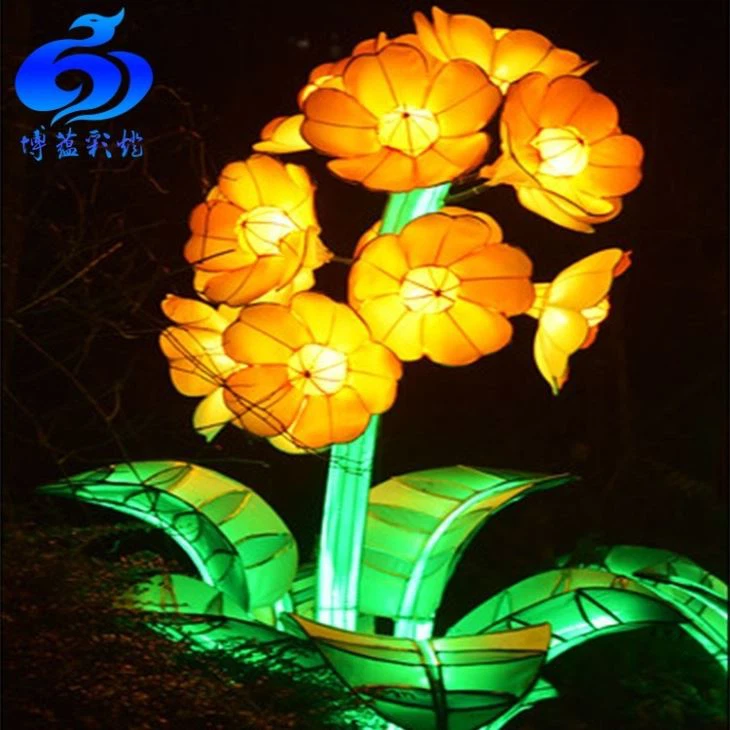

In conclusion, while there are challenges, Christmas lanterns can indeed be recycled. The key is to educate consumers, invest in better recycling infrastructure, and for suppliers like us to take responsibility in promoting sustainable practices. Whether you're using a beautiful Outdoor Elk Lantern to spruce up your front yard or an elegant Decoration Flower Lantern indoors, you can rest assured that these products don't have to be a burden on the environment once the holiday season is over.
If you're interested in learning more about our range of Christmas lanterns or would like to place an order for bulk purchases, we'd be more than happy to have a discussion with you. Contact us to explore how we can bring the best Christmas lanterns to your market and help you create a magical holiday experience for your customers.
References
- EPA. (Environmental Protection Agency) Guidelines on Recycling Electronic and Plastic Products.
- Glass Packaging Institute. The Process and Benefits of Glass Recycling.