

As a dedicated supplier of Christmas lanterns, I often encounter a fascinating question from customers and enthusiasts alike: Do Christmas lanterns have a slow - flash effect? In this blog post, I will delve into this topic, exploring the science, design, and customer preferences behind the slow - flash effect in Christmas lanterns.
The Science of Lighting and Flashing Effects
To understand whether Christmas lanterns can have a slow - flash effect, we first need to look at the basic principles of lighting. Most modern Christmas lanterns are powered by LEDs (Light - Emitting Diodes). LEDs are semiconductor devices that emit light when an electric current passes through them. They are highly energy - efficient, durable, and can be easily controlled to produce various lighting effects.
The flashing effect in lanterns is achieved through a process called pulse - width modulation (PWM). PWM is a technique used to control the power supplied to the LED. By rapidly turning the LED on and off at different intervals, we can create the illusion of dimming or flashing. The speed of these on - off cycles determines whether the flash appears slow or fast.

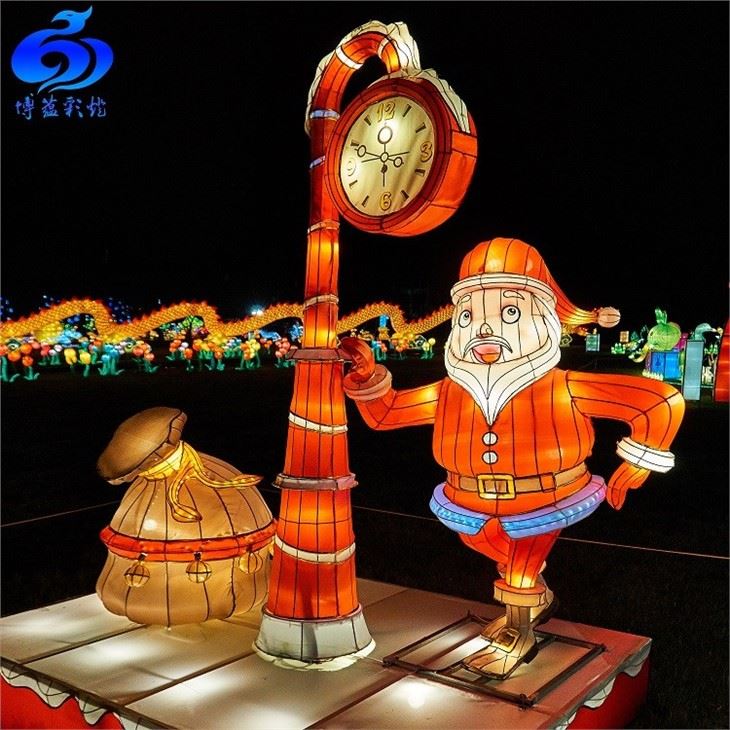
When the on - off cycles are set to longer intervals, the LED seems to flash slowly. This slow - flash effect can be created by programming the PWM controller in the lantern. The controller can be a simple circuit board that is pre - programmed to generate the desired flashing pattern. For example, a slow - flash effect might involve the LED being on for 2 seconds and then off for 2 seconds, creating a gentle, rhythmic flash.
Design Considerations for Slow - Flash Christmas Lanterns
From a design perspective, slow - flash Christmas lanterns offer a unique aesthetic appeal. They create a warm, inviting atmosphere that is perfect for the holiday season. The slow, steady flash can add a touch of magic and tranquility to any Christmas decoration.
When designing slow - flash Christmas lanterns, several factors need to be considered. First, the choice of LED color plays a crucial role. Warm colors such as red, orange, and yellow are often preferred for Christmas lanterns as they evoke a sense of warmth and celebration. A slow - flash effect on these warm - colored LEDs can enhance the cozy and festive mood.
Second, the shape and material of the lantern also affect the overall look of the slow - flash effect. Traditional lantern shapes like round, square, or star - shaped lanterns can create different lighting patterns when the LED flashes. For example, a round lantern may diffuse the light more evenly, while a star - shaped lantern can create a more interesting, spiky light pattern.
The material of the lantern can also influence the appearance of the slow - flash effect. Translucent materials like glass or plastic can soften the light and create a more romantic look. On the other hand, opaque materials with small cut - outs or patterns can create a more dramatic and decorative effect as the light shines through.
Customer Preferences for Slow - Flash Christmas Lanterns
Customer preferences play a significant role in the popularity of slow - flash Christmas lanterns. Many people are drawn to the slow - flash effect because it adds a sense of relaxation and charm to their Christmas decorations. It is a departure from the bright, fast - paced lights that are often associated with modern holiday displays.
Slow - flash Christmas lanterns are particularly popular for outdoor decorations. They can be hung in trees, along walkways, or around the perimeter of a house to create a beautiful, illuminated path. The slow - flash effect can also be used to highlight specific areas of a garden or yard, such as a Christmas tree or a nativity scene.
Some customers also prefer slow - flash lanterns for indoor use. They can be placed on mantels, tables, or windowsills to create a cozy and intimate atmosphere. The gentle, rhythmic flash can be a soothing addition to a living room or bedroom during the holiday season.
Our Product Range of Christmas Lanterns with Slow - Flash Effect
At our company, we offer a wide range of Romantic Christmas Decoration Lantern that feature the slow - flash effect. Our lanterns are designed with high - quality LEDs and advanced PWM controllers to ensure a consistent and beautiful slow - flash performance.
We have a variety of shapes and colors to choose from. Whether you prefer a classic round lantern in warm red or a unique star - shaped lantern in golden yellow, we have the perfect option for you. Our lanterns are also made from durable materials, ensuring that they can withstand the outdoor elements or be used indoors for many holiday seasons to come.
In addition to our standard lanterns, we also offer Outdoor Christmas Decoration Lantern Festival sets that are specifically designed for large - scale outdoor displays. These sets include multiple lanterns with coordinated slow - flash patterns, creating a spectacular visual effect.
Our Attractive Outdoor Christmas Lantern Festival Decoration options are perfect for businesses, event organizers, or anyone looking to create a truly memorable Christmas display. The slow - flash effect in these lanterns can attract attention and create a festive atmosphere that will be enjoyed by all.
Contact Us for Procurement and Negotiation
If you are interested in purchasing our Christmas lanterns with the slow - flash effect, we invite you to contact us for procurement and negotiation. We understand that every customer has unique needs and requirements, and we are committed to providing the best products and services to meet those needs.
Whether you are a retailer looking to stock our lanterns in your store, an event planner in need of large - scale decorations, or an individual looking to add a touch of magic to your home this Christmas, we can work with you to find the perfect solution. Our team of experts is ready to assist you with product selection, customization, and pricing.
References
- Horowitz, P., & Hill, W. (1989). The Art of Electronics. Cambridge University Press.
- Lighting Research Center. (n.d.). Understanding LEDs. Retrieved from [Lighting Research Center Website]
- Philips Lighting. (n.d.). LED Lighting Basics. Retrieved from [Philips Lighting Website]