

Traditional lanterns, with their warm glow and intricate designs, are not just decorative items; they are deeply intertwined with the rich tapestry of folklore across the world. As a supplier of traditional lanterns, I have witnessed firsthand how these luminous objects carry stories, symbols, and cultural significance that have been passed down through generations. In this blog, I will explore the fascinating relationship between traditional lanterns and folklore, and how they continue to play a vital role in cultural traditions today.
The Origins of Traditional Lanterns in Folklore
The use of lanterns dates back thousands of years, and their origins are often rooted in ancient myths and legends. In many cultures, lanterns were believed to have magical properties and were used to ward off evil spirits, guide the souls of the dead, or bring good luck and prosperity.
In Chinese folklore, lanterns are closely associated with the Lantern Festival, which marks the end of the Chinese New Year celebrations. According to legend, the festival originated during the Han Dynasty (206 BC - 220 AD) when Emperor Ming of Han ordered that lanterns be lit in the imperial palace and temples to honor Buddha. Over time, the tradition spread to the general public, and the Lantern Festival became a time for families to come together, enjoy traditional food, and admire the beautiful lantern displays.
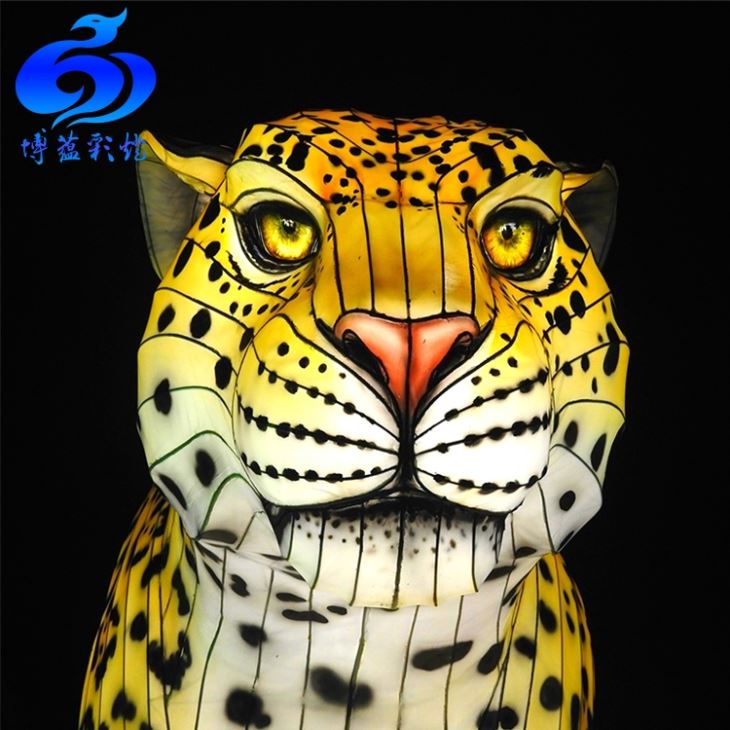
One of the most popular types of lanterns during the Lantern Festival is the Animal Shape Chinese Leopard Lanterns. These lanterns are often made in the shape of animals, such as lions, dragons, and leopards, which are considered to be symbols of good luck and prosperity in Chinese culture. The intricate designs and bright colors of these lanterns not only add to the festive atmosphere but also serve as a reminder of the rich cultural heritage of China.
Lanterns in Japanese Folklore
In Japan, lanterns are an integral part of many festivals and traditions. One of the most famous is the Bon Festival, which is a time to honor the spirits of ancestors. During the festival, families set up lanterns outside their homes to guide the spirits of their ancestors back to the world of the living. The lanterns are often made in the shape of a hexagonal or octagonal paper lantern, called a chochin, which is decorated with traditional Japanese motifs, such as cherry blossoms, cranes, and waves.
Another important festival in Japan is the Gion Matsuri, which is held in Kyoto every July. The festival is one of the oldest and most famous festivals in Japan, and it features a parade of floats, called yamaboko, which are decorated with elaborate lanterns and other traditional decorations. The lanterns used in the Gion Matsuri are often made of wood and paper, and they are illuminated by candles or electric lights. The bright colors and intricate designs of these lanterns create a magical atmosphere that attracts thousands of visitors from around the world.
Lanterns in European Folklore
Lanterns also have a long history in European folklore. In Ireland, for example, the tradition of carving jack-o'-lanterns dates back to the 19th century. According to legend, a man named Stingy Jack tricked the devil into climbing a tree and then trapped him there by carving a cross into the trunk. When Jack died, he was not allowed into heaven or hell, so he was forced to wander the earth with a lantern made from a turnip to light his way. Over time, the tradition of carving jack-o'-lanterns spread to other parts of Europe and the United States, and it became a popular Halloween tradition.
In Italy, lanterns are an important part of the Feast of San Gennaro, which is held in Naples every September. The festival is a celebration of the patron saint of Naples, and it features a parade of floats, called carrozze, which are decorated with elaborate lanterns and other traditional decorations. The lanterns used in the Feast of San Gennaro are often made of glass and are illuminated by candles or electric lights. The bright colors and intricate designs of these lanterns create a beautiful display that attracts thousands of visitors from around the world.
The Symbolism of Traditional Lanterns
In addition to their role in folklore and festivals, traditional lanterns also carry a rich symbolism that varies from culture to culture. In many cultures, lanterns are seen as a symbol of light, hope, and guidance. They are often used to represent the soul, the spirit, or the divine.
In Chinese culture, lanterns are also associated with the element of fire, which is considered to be a symbol of energy, passion, and transformation. The bright colors and warm glow of lanterns are believed to bring good luck and prosperity, and they are often used to decorate homes and businesses during the Chinese New Year and other important festivals.
In Japanese culture, lanterns are seen as a symbol of purification and enlightenment. The act of lighting a lantern is believed to purify the mind and spirit, and it is often used as a form of meditation or prayer. Lanterns are also used to mark the entrance to temples and shrines, and they are seen as a way to welcome visitors and guide them on their spiritual journey.
Traditional Lanterns in Modern Culture
Despite the advances of modern technology, traditional lanterns continue to play an important role in many cultures around the world. In recent years, there has been a growing interest in traditional lanterns as a form of art and decoration, and many people are incorporating them into their homes and businesses.
As a supplier of traditional lanterns, I am proud to offer a wide range of high-quality lanterns that are inspired by the rich cultural heritage of different countries. Whether you are looking for a Colorful Festival Moon Lantern to decorate your home during the Chinese New Year or a Traditional Chinese Outdoor Lantern to add a touch of elegance to your garden, I have the perfect lantern for you.
In addition to their decorative value, traditional lanterns also make a unique and meaningful gift for friends and family. They are a great way to share the rich cultural heritage of different countries and to celebrate the beauty and diversity of the world we live in.
Contact Us for Procurement
If you are interested in purchasing traditional lanterns for your home, business, or event, please do not hesitate to contact us. We offer a wide range of lanterns in different styles, sizes, and colors, and we can help you find the perfect lantern to suit your needs and budget.

Whether you are a retailer looking to stock our products or an individual looking to purchase a single lantern, we are committed to providing you with the best possible service and support. We offer competitive prices, fast shipping, and a satisfaction guarantee, so you can shop with confidence.
Thank you for taking the time to read this blog. I hope you have enjoyed learning about the fascinating relationship between traditional lanterns and folklore. If you have any questions or comments, please feel free to leave them below.
References
- "Chinese Lantern Festival: History, Traditions, and Customs." China Highlights.
- "Bon Festival: A Time to Honor Ancestors in Japan." Japan Guide.
- "Gion Matsuri: One of Japan's Oldest and Most Famous Festivals." Japan Travel.
- "Halloween: The History and Origins of Jack-o'-Lanterns." History.com.
- "Feast of San Gennaro: A Celebration of Naples' Patron Saint." Italy Magazine.