

Traditional lanterns are not only practical lighting tools but also significant cultural symbols that carry the unique ethos and traditions of various cultures across the world. As a traditional lantern supplier, I have delved deep into the diverse colors and their meanings in different cultural lantern traditions, which have not only enhanced my understanding of the products I offer but also allowed me to appreciate the rich tapestry of global heritage.
In Chinese culture, red is the most prominent color when it comes to traditional lanterns, symbolizing good fortune, joy, and prosperity. This can be traced back to ancient times when red was believed to ward off evil spirits and bring good luck. During festivals such as the Chinese New Year and the Lantern Festival, red lanterns are hung everywhere, from the entrances of homes and businesses to the main streets of cities. The vibrant red color not only adds to the festive atmosphere but also reflects the optimism and hope for a better future.
Another important color in Chinese lantern tradition is gold. Gold represents wealth and nobility, often used in combination with red to create a luxurious and auspicious look. For example, gold - embroidered patterns on red lanterns are common during important ceremonies and grand festivals, highlighting the high - standing and celebratory nature of the occasion. Additionally, yellow is sometimes used, symbolizing the earth and the emperor in ancient times. Yellow lanterns may be seen in religious or imperial - related festivals and events, representing the stability and power of the cultural and social order.
In Japan, white is a color often associated with purity and spirituality in traditional lanterns, especially in temple settings. Plain white lanterns are commonly used in Buddhist temples, where they create a serene and solemn atmosphere. The simplicity of the white color focuses the mind and encourages contemplation, which is in line with Buddhist principles. On the other hand, red lanterns are also popular in Japan, just like in China, but they usually carry a slightly different connotation. In addition to luck, red in Japanese culture can also symbolize passion and energy. Many Japanese restaurants and bars hang red lanterns outside to attract customers, creating a warm and inviting environment.
Blue is another color that appears in some Japanese lantern designs, representing calmness and tranquility. Japanese artists may incorporate blue into the patterns or the body of the lantern to evoke a sense of peace and harmony, which is highly valued in Japanese aesthetics.
In Western cultures, especially during Christmas and other religious festivals, green and red are the dominant colors. Green represents evergreen plants such as pine trees, which symbolize eternal life and hope. Red, on the other hand, is associated with the blood of Christ, representing sacrifice and love. Christmas lanterns often feature these two colors in combination, such as green - and - red striped lanterns or those with red bows and green foliage patterns. When it comes to Halloween, orange is the iconic color. Orange lanterns, usually carved in the shape of jack - o'- lanterns from pumpkins, are a symbol of this spooky festival. The warm, bright orange color is thought to mimic fire, which was historically used to ward off evil spirits during the season.
Some Western events also use purple lanterns, often associated with royalty and luxury. Purple was a rare and expensive color in ancient times, so it has always been linked to high - status and grandeur. These lanterns may be seen at formal events, galas, or royal celebrations.
As a traditional lantern supplier, I offer a wide range of lanterns with these traditional colors to meet the diverse needs and cultural preferences of my customers. For instance, we have the Outdoor Elk Lantern, a perfect addition to a Western - style Christmas celebration. Its red and green accents capture the essence of the holiday spirit.
Our Outdoor Fish Lantern is a homage to Chinese culture. The red - colored fish lantern is not only a beautiful decoration but also a symbol of abundance and good fortune in Chinese traditions, making it a great choice for Chinese New Year or Lantern Festival.
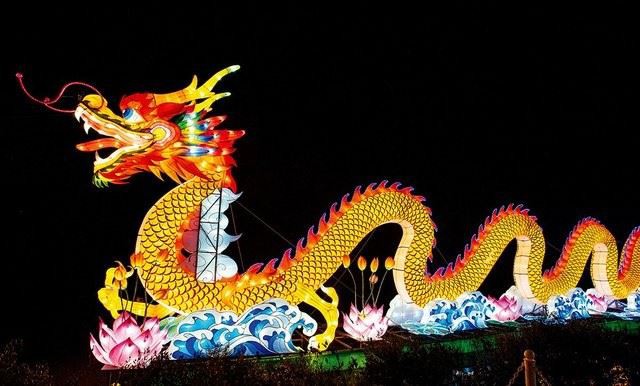
And for large - scale events, our Outdoor Dragon Lantern Show is a spectacular display. The red and gold colors of the dragon lanterns are highly symbolic in Chinese culture, representing power, prosperity, and good luck. They are certain to create a memorable experience and a vibrant atmosphere at any event.
Whether you are planning a cultural festival, a religious celebration, or just looking for unique decorations for your home, traditional lanterns with their rich colors and cultural significance can add a touch of charm and authenticity. If you are interested in learning more about our products, sourcing lanterns for your next event, or just want to discuss the cultural aspects of traditional lanterns, I invite you to reach out to me for a procurement discussion. I am always eager to share my knowledge and help you find the perfect lanterns to meet your needs.
References

- Smith, J. (2018). "Cultural Symbols in Traditional Lanterns". Heritage Press.
- Chen, L. (2020). "The Art and Meaning of Chinese Lanterns". East Asian Cultural Studies.
- Tanaka, S. (2019). "Japanese Lanterns: Aesthetic and Spiritual Value". Tokyo Cultural Publications.