

As a seasoned Christmas lantern supplier, I've fielded countless inquiries about the lifespan of the lights within these festive decorations. It's a crucial question, especially for customers looking to invest in high - quality, long - lasting Christmas lanterns that can illuminate their holiday seasons for years to come.
Factors Affecting the Lifespan of Christmas Lantern Lights
1. Type of Lights
The type of lights used in Christmas lanterns plays a significant role in determining their lifespan. Incandescent bulbs, which were once the standard for Christmas lighting, have a relatively short lifespan. These bulbs work by heating a filament until it glows, and the constant heating and cooling cause the filament to degrade over time. On average, incandescent bulbs in Christmas lanterns may last anywhere from 1,000 to 2,000 hours of use.
In contrast, Light - Emitting Diodes (LEDs) have revolutionized the Christmas lighting industry. LEDs are semiconductor devices that emit light when an electric current passes through them. They are extremely energy - efficient and have a much longer lifespan. LED lights in Christmas lanterns can last up to 50,000 hours or more. This means that if you use your Christmas lanterns for about 50 hours per year, an LED - lit lantern could potentially last for over a thousand years! However, in practical terms, other factors may limit their actual usable lifespan.

2. Quality of Manufacturing
The quality of the lights and the overall manufacturing process of the Christmas lantern also impact the lifespan of the lights. High - quality lights are made with better materials and more precise manufacturing techniques. For example, well - made LEDs have better heat dissipation mechanisms, which prevent overheating and extend their lifespan.
When it comes to the lantern itself, a well - constructed lantern will protect the lights from external elements. A lantern with a sturdy frame and a tight - fitting cover will shield the lights from moisture, dust, and physical damage. Cheaper, poorly made lanterns may allow water to seep in, which can short - circuit the lights and significantly reduce their lifespan.
3. Usage Patterns
How often and how long you use your Christmas lanterns can affect the lifespan of the lights. If you only use your lanterns for a few weeks each year during the Christmas season, the lights will last much longer than if you keep them on continuously throughout the year.
Additionally, the way you turn the lights on and off can also make a difference. Frequent on - off cycling can put stress on the bulbs or LEDs, especially incandescent bulbs. Each time an incandescent bulb is turned on, there is a sudden surge of current that can cause the filament to weaken. LEDs are more resilient to on - off cycling, but excessive cycling can still have a minor impact on their lifespan.
4. Environmental Conditions
The environment in which the Christmas lantern is placed has a significant impact on the lifespan of the lights. Outdoor lanterns are exposed to harsher conditions than indoor ones. Extreme temperatures, whether hot or cold, can affect the performance and lifespan of the lights.
In cold weather, the chemicals inside incandescent bulbs can contract, and the filament may become more brittle. This can lead to the filament breaking more easily. LEDs are generally more resistant to cold temperatures, but very low temperatures can still reduce their brightness and potentially shorten their lifespan.
On the other hand, high temperatures can cause overheating. If a lantern is placed in direct sunlight or near a heat source, the lights may overheat, which can damage the bulbs or LEDs. Moisture is another environmental factor. Water can corrode the electrical components of the lights, leading to short circuits and a shortened lifespan.
Estimating the Lifespan of Different Christmas Lantern Lights
Incandescent - Lit Christmas Lanterns
As mentioned earlier, incandescent bulbs in Christmas lanterns typically last between 1,000 and 2,000 hours. If you use your incandescent - lit Christmas lantern for about 50 hours per year, you can expect the bulbs to last between 20 and 40 years. However, due to the fragility of the filaments and the impact of environmental factors, it's more likely that you'll need to replace the bulbs every few years.
LED - Lit Christmas Lanterns
LED lights in Christmas lanterns have a much longer lifespan. With an average lifespan of 50,000 hours, if you use your LED - lit lantern for 50 hours per year, it could last for 1,000 years in theory. In practice, other factors such as environmental conditions and manufacturing quality may reduce this lifespan. But even so, you can expect LED - lit Christmas lanterns to last for many decades without needing to replace the lights.
Our Range of Christmas Lanterns
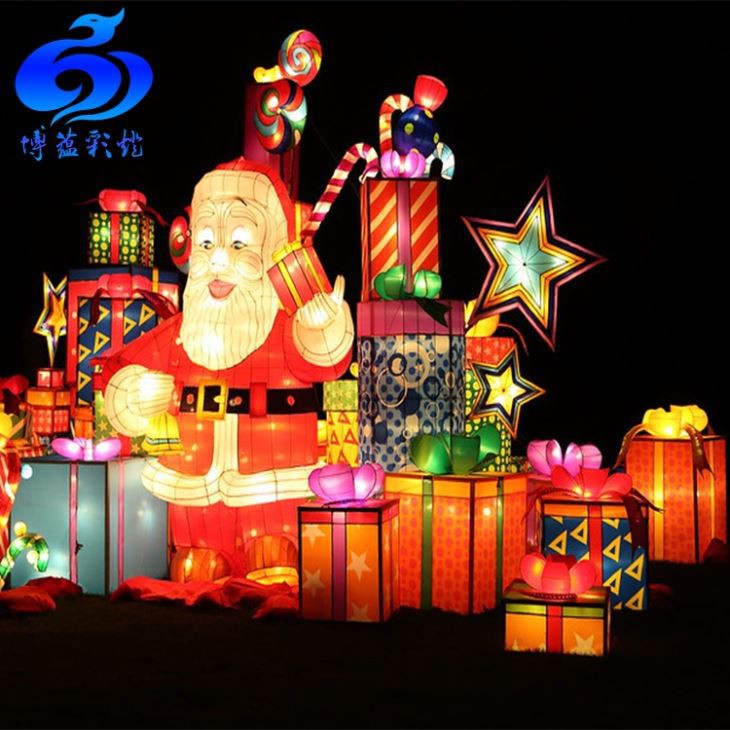
At our company, we offer a wide variety of Christmas lanterns with different types of lights to suit your needs. Our Christmas Decoration Santa Claus Lantern is a popular choice for those looking to add a touch of holiday cheer to their outdoor spaces. These lanterns are equipped with high - quality LED lights that are designed to last for many years.
We also have Outdoor Christamas Lantern options that are perfect for creating a grand display. These lanterns are built to withstand the elements, with a durable construction that protects the lights from moisture, dust, and physical damage.
For those who prefer a more traditional look, our Outdoor Christmas Decoration Lantern features incandescent bulbs that provide a warm, cozy glow. While the bulbs may need to be replaced more frequently than LEDs, they offer a classic Christmas lighting experience.
Tips to Extend the Lifespan of Your Christmas Lantern Lights
- Proper Storage: When the holiday season is over, store your Christmas lanterns in a cool, dry place. This will protect the lights from moisture and extreme temperatures.
- Regular Inspection: Check your lanterns for any signs of damage or wear before each use. Replace any damaged bulbs or LEDs immediately to prevent further damage.
- Use a Timer: Using a timer to control the on - off cycle of your lights can reduce the stress on the bulbs or LEDs. This can help extend their lifespan, especially for incandescent bulbs.
- Avoid Overheating: Make sure your lanterns are placed in a well - ventilated area and away from heat sources. This will prevent the lights from overheating and damaging the bulbs or LEDs.
Contact Us for Your Christmas Lantern Needs
If you're interested in purchasing high - quality Christmas lanterns with long - lasting lights, we'd love to hear from you. Whether you're a retailer looking to stock our products or an individual looking to decorate your home for the holidays, we have the perfect lantern for you. Contact us today to discuss your requirements and start planning your Christmas display.
References
- "Lighting Basics: Incandescent vs. LED" - Lighting Research Center, Rensselaer Polytechnic Institute
- "The Science of Christmas Lights" - Popular Science Magazine
- "LED Lighting: Lifespan and Performance" - Energy Star